

Last Updated: September 17, 2026
“I’m going to quit smoking.”
“I’m going to join a gym.”
“I am going to lose weight and live healthier.”
These are fairly typical of thoughts that many of us would have when entering the New Year, or when someone we know personally achieves something healthy and motivational. What we must not forget when we read about what this health entailed was the gym or super high intensity training. Actually, a lifestyle isn’t necessarily a super amount.
That’s kind of a conscious way, that’s kind of a built-up way – little choices. Small positives for body and brain.
For more ideas on building healthy habits through manageable daily choices, see these simple lifestyle changes that can support better health.
Table of Contents
The Importance of a Healthy Diet
Your body get its energy from the foods you eat. The quality of food can affect how you feel, how you are able to perform physically, and is directly related to wellness and immunity, stomach comfort, and physical energy.
Moderating foods very high in sodium, unhealthy fats and sugar is a great starting point. Foods that have been heavily processed especially should be moderated. The chronic illnesses whose risk is increased by consuming frequent doses of processed foods such as hot dogs, bacon was reported to the WHO.
Meal Prep Meals: Meal planning upfront will simplify healthy eating also! Stock your kitchen with healthy foods making it a lesser urge for treats and restaurant foods. A perfect meal contains, a fruit, a vegetable, a protein and a grain or starchy carbohydrate, and a small amount of fat . Not a diet that needs to be clean at all times but overall healthy choices.
Adding nutrient-rich vegetables such as spinach can also be a simple way to support a balanced eating pattern. Learn more about the health benefits and nutritional value of spinach.
Nutrition Support During Drug or Alcohol Recovery
There are many known consequences of many years of using drugs, and as part of your recovery that may require professional medical and mental health treatment, nutritional treatment options may be an integral component of the solution.
Fruits and vegetables may prove very useful since these have high amounts of fibre and nutrients your body is in need of in the first stages towards regaining its former healthy function. Protein foods, water and the same whole foods also have their part in fortifying the organism.
Food alone cannot really “detox” your body of drugs or alcohol, but a healthy diet regimen can help the process if it’s used along with other rehabilitation treatments like medical counseling and advice.
Your balanced diet also offers form and structure to your recovery and a variety of liquids, nutrients-rich food and clean eating options can do wonders for well being and keeping on your plan. There will be different diets in this scenario.
Getting Enough Sleep
Healthymind Sleep. Sleep for a healthy life! Why is the health trend, sleep, still not being value? During sleep, our bodies repair and our immune system receives a boost and our brain functions better.
The CD’s recommendations for health sleep are from 7-9 hours for adults, sleeping and eating your dinner several hours before sleeping, and not using alcohol or smoking, but sleeping, waking and resting at the same time each day.
Creating a winding down routine prior to sleep will ease this process. In order to promote regularity, it will assist to wake and sleep at roughly the same time every day. Bedrooms will support a person’s schedule; dark, quiet, and cool rooms are also important; avoid using phones, computers and other mental stimulation at bedtime.
A consistent sleep routine can make healthy habits easier to maintain. For additional information, see these tips on enhancing health through better sleep.
The Value of Fresh Air and Sunlight
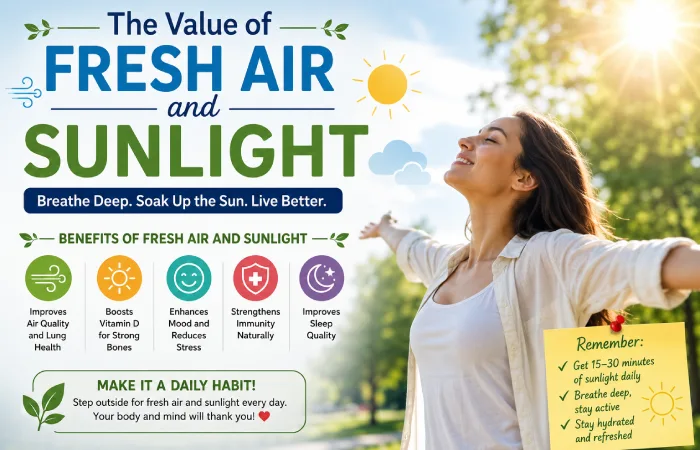
Today many people stay indoors for many hours due to modern way of life-whether they work in an office, at home watching their computers-enjoying outdoors will enhance your mood, you will feel energised, and happier in life and in good spirit.
Being able to get a breath of fresh air is a natural stimulant to move more, clearer thoughts will arise, helping individuals to feel less stressed and refreshed after an outdoor visit. Take a short break outdoors each day will help improve an enormous difference.
Trying New and Healthy Habits
Over time a familiar, routine schedule might start to wear on you. Making small, subtle changes to your life will go a long way in ensuring that you remain excited about your everyday life and in a more positive state of being.
They may not be things that involve any kind of drastic changes – going for little walks, changing an existing behavior, or learning a new skill could all be what’s required to boost your confidence and motivation enough to continue.
Staying Physically Active
Other steps include keeping active – you don’t need expensive gym equipment or clothes to get fit, a brisk walk, riding your bike, stretching, doing domestic chores and keeping yourself busy in various ways can keep you on your toes.
We tend to find the most useful thing is the one we do most often. Incremental changes toward a more active lifestyle are easier to sustain if you begin with small amounts of activity.
The CDC also notes that regular physical activity can provide immediate and long-term health benefits, including benefits for sleep and chronic disease prevention. CDC: Health Benefits of Physical Activity
Managing Stress and Mental Well-Being
Good health implies physical and psychological, not to say, emotional well-being. In our everyday routines, tasks at the workplace, worries of the family, may exhaust you. An emotional relief, an outlet for imagination and creativity, some time spent with love ones, and finally, self-understanding can restore balance and sanity.
Practice deep breathing, reading a book, hanging out with people who make you feel good, taking a short break from your screens and you’ll find that moments of quiet space where you can de-stress arise spontaneously. If stress, anxiety, despair or sadness becomes chronic, or impacts your quality of life, make sure you chat to a professional.
Simple Tips for Better Health
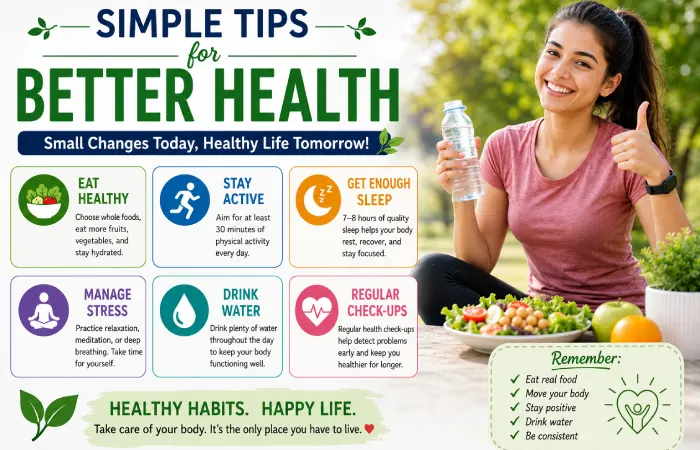
You’ll have a healthier rest of the year, more often than you think, with regular habits instead of perfect days.
Cooking home meals using fresh foods means you’ll eat more fruits and vegetables which improves diet and general nutrition tremendously. Another easy change for better health is to cut out sugary foods, especially drinks.
The choice of not to smoking is perhaps the single biggest impact on long-term health as is directly correlated to heart disease as well as other chronical diseases, staying physically active can even minimal amount every day increase life quality, both physical and mentally.
The key to this strategy of habit building is introducing change gradually. You may have tried things such as: drinking one more glass of water, adding one more minute into your daily walk, or sleeping one more minute at night. As long as it feels easy to apply the new habit, introduce one more!
Monitoring daily habits can be motivating as well. With healthy food on your plate most of the day, daily movement, eight hours of sleep, time outdoors, and quiet relaxation time, you’ll build up great daily habits with regular review.
These everyday practices all contribute to the broader goal of maintaining good health through sustainable lifestyle choices.
Final Note
This article is for educational purposes only and does not replace professional medical advice.
For custom-made health help, consult qualified healthcare specialists.